How AI reshapes the first 10% of script work
Why the biggest production gains come from draft, not dialogue — and how pre-production teams can use AI to move faster without losing craft.
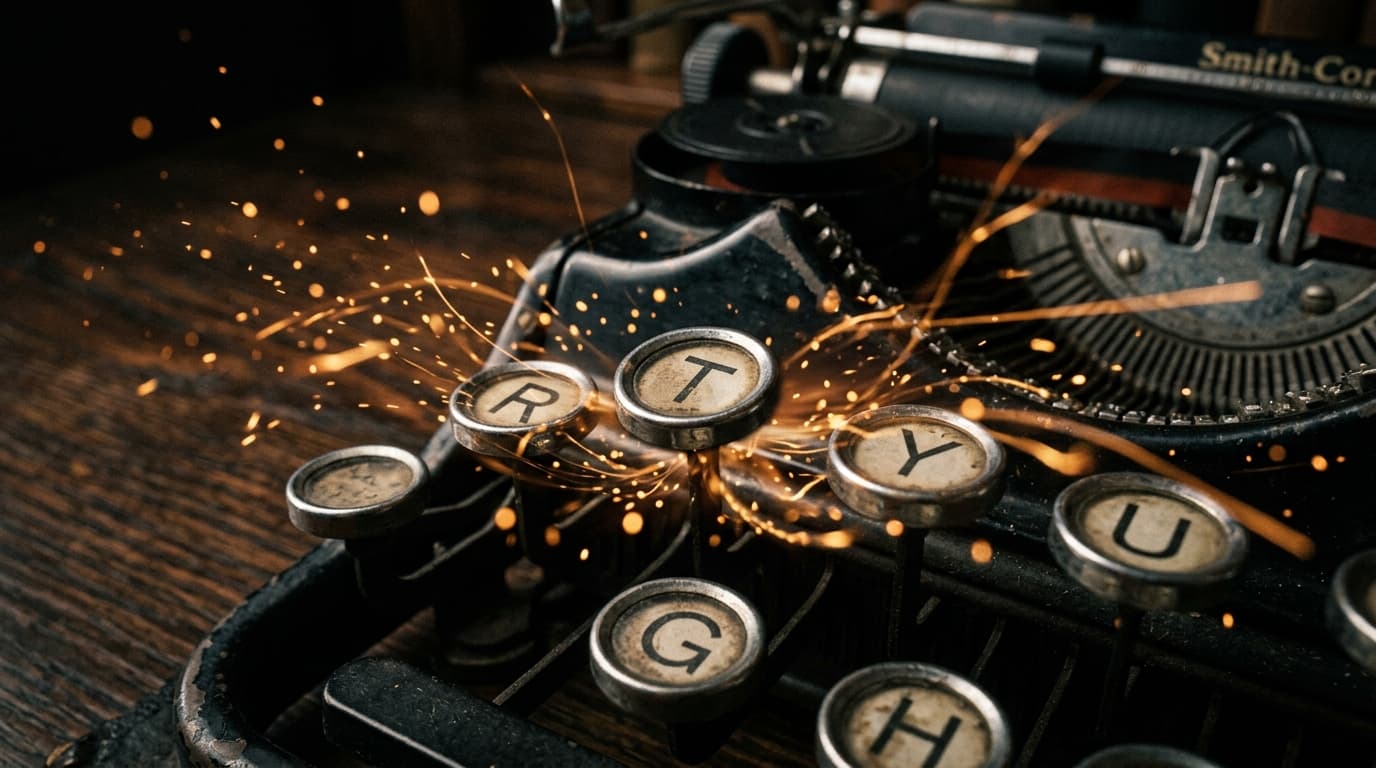
Talk to any busy production team and they will tell you the same thing: the drafting phase is where weeks disappear. You have a one-line brief, a rough tone reference, a vague budget, and a client asking when they can see something. Between that starting point and a workable first draft, a huge amount of slow, lonely writing happens, often under deadline pressure.
The temptation, once AI entered the conversation, was to hand over the entire writing process. Generate me a script, and we will take it from there. Most teams who tried that approach quickly learned two things. First, a raw AI draft rarely lands in the tone a client wants. Second, it is genuinely difficult to make creative judgements from a blank first draft you did not shape yourself.
A better question: what slows us down?
Spend a week shadowing a development team and you start to notice the real bottlenecks.
- The first pass sits in one person's head for days before it hits paper.
- Feedback cycles happen around the written draft, not around the idea.
- Half the script turns into blocking logistics (location, number of characters, duration) which could have been resolved upstream.
- The brief itself is often ambiguous, and nobody wants to be the one to admit it.
None of these problems are solved by "generate me a full script". They are solved by tightening the work that happens before the draft.
Where AI earns its place
The part of the script workflow where AI starts to pay off is the interpretation step. Given a one-line brief and a tone reference, an AI assistant can:
- Propose three different structural angles you might not have considered.
- Turn each angle into a one-paragraph summary with a clear beginning, middle, and end.
- Flag practical implications: locations, cast size, expected duration.
- Suggest a rough shot-count so the producer can sanity-check the budget.
None of this replaces the writer. It replaces the silent part of the day where the writer is just trying to get started. The human still picks the angle, tightens the language, layers in the client's voice, and owns the craft.
Draft, review, repeat
A second pattern that is starting to work for small teams: once the angle is agreed, generate the first scene in two tonal variants, side by side. One closer to the brief as written, one pushed slightly further. The comparison is often more useful than the drafts themselves — it forces an early conversation about tone before anyone is attached to a version.
What to avoid
- Letting the AI pick character names. Generic placeholders make revisions cheaper.
- Asking for "a script" without a length constraint. Short is almost always more useful for a first pass.
- Handing the draft directly to the client. Always mediate.
Where this is heading
The studios getting the most out of AI drafting tools are not the ones trying to skip the writer. They are the ones tightening the loop between brief and first scene, so the writer starts higher up the mountain. Over the next year, we expect this pattern to settle into standard workflow, similar to the way colour grading or edit decision lists did a generation ago.
The best test of a new tool, once the hype passes, is whether the team actually reaches for it on Monday morning. For early-stage scripting, we think the answer is starting to be yes.